
Manufacturers of Advanced, Physical-Digital Hybrid Systems.
Manufacturers of Advanced, Physical-Digital Hybrid Systems.
Manufacturers of Advanced, Physical-Digital Hybrid Systems.

At SMK industries,
we create systems
that shape tomorrow.
More Specifications +
We create the systems that shape tomorrow’s missions where robotics, synthetic signals and immersive simulation converge to elevate human readiness and machine performance.
At SMK industries, we create systems that shape tomorrow.
More Specifications +
We create the systems that shape tomorrow’s missions where robotics, synthetic signals and immersive simulation converge to elevate human readiness and machine performance.
Products
Products
UAV(JINNAH)

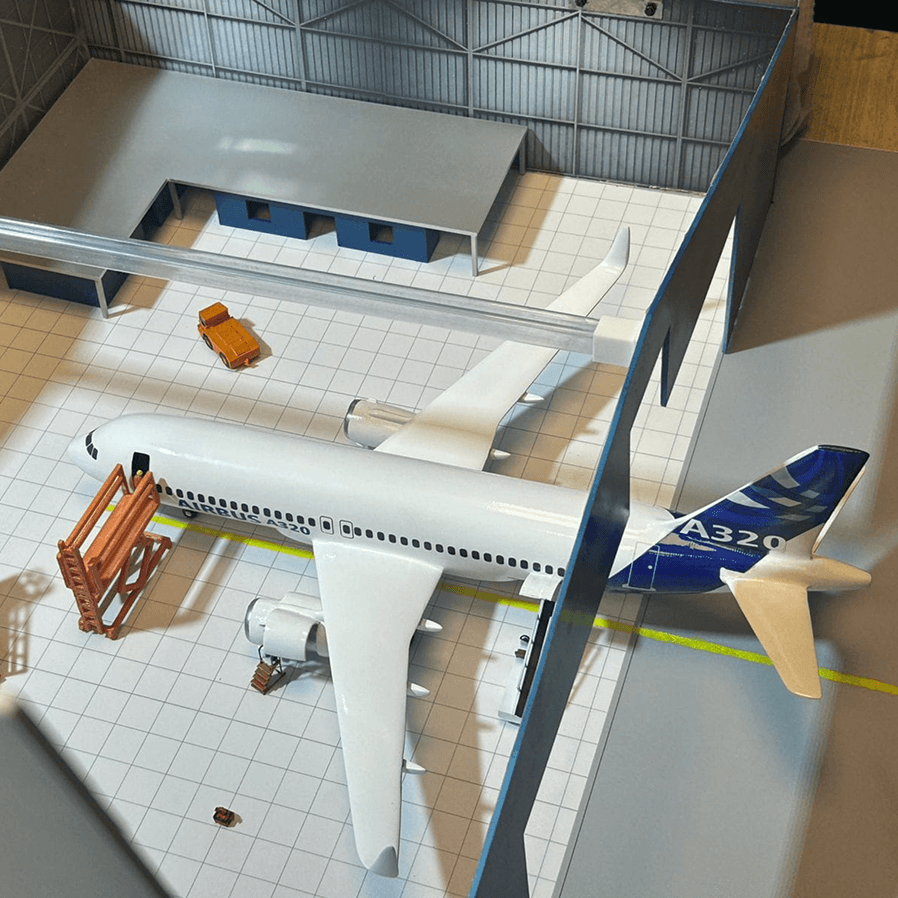
DISPLAY MODELS
DISPLAY MODELS
CABIN CREW TRAINING
CABIN CREW TRAINING


ROBOTIC BASE
ROBOTIC BASE
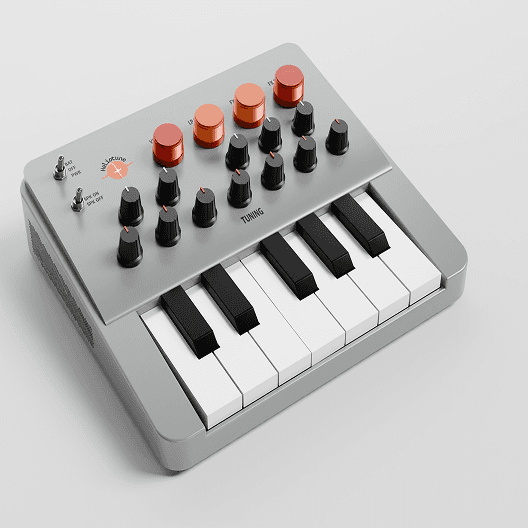
SYNTH ANGULAR WAVEFORM
SYNTH ANGULAR WAVEFORM

VR TRAINING POD
VR TRAINING POD

JINNAH III VTOL DRONE
JINNAH III VTOL DRONE
The Jinnah III is an advanced VTOL drone engineered to operate in confined spaces without the need for a runway. Enhanced endurance and modular payloads
The Jinnah III is an advanced VTOL drone engineered to operate in confined spaces without the need for a runway. Enhanced endurance and modular payloads
FROM CAD TO CIRCUITRY
WE DESIGN, ENGINEER &
DELIVER WITH PRECISION.
We offer end-to-end manufacturing capabilities that bring advanced systems to life — from high-precision CAD designs and robust mechanical and electronics engineering to rapid 3D printing and prototyping. Our integrated workflow ensures every component is meticulously designed, engineered and fabricated to meet real-world performance standards.
FROM CAD TO CIRCUITRY
WE DESIGN, ENGINEER &
DELIVER WITH PRECISION.
We offer end-to-end manufacturing capabilities that bring advanced systems to life — from high-precision CAD designs and robust mechanical and electronics engineering to rapid 3D printing and prototyping. Our integrated workflow ensures every component is meticulously designed, engineered and fabricated to meet real-world performance standards.
1
Manufacturing and fabrication involve the production of physical components using a variety of industrial processes. These include cutting, machining, welding, forming, and assembly of metals, plastics and composites. The process enables the creation of both simple parts and complex structures with high precision and strength. It supports prototyping as well as large-scale production. Manufacturing and fabrication are widely used in aerospace, construction, automotive and industrial sectors to produce durable and reliable products.
Manufacturing and Fabrication.

2
3D printing is a manufacturing process that creates physical objects by building them layer by layer from a digital 3D model. It allows designers and engineers to rapidly turn ideas into prototypes or finished products. The technology supports a wide range of materials, including ABS, PETG, TPU, PLA and various types of resins. 3D printing enables making complex shapes that are difficult or impossible to produce with traditional methods. It reduces prototyping cost and shortens development cycles. The process is widely used in aerospace, defence & automotive industries, design, education and health care sectors to name some.
3D Printing.

3
CAD design is the process of creating detailed 2D drawings and 3D digital models using specialized computer softwares. It allows engineers and designers to visualize, test and refine concepts before production. CAD tools help in improving accuracy, reducing errors and optimizing designs for manufacturing. The process supports simulations and modifications, making development more efficient. CAD design is widely used in engineering, architecture, product design and manufacturing industries.
CAD DESIGN.

4
PCB design is the process of designing printed circuit boards that connect and support electronic components. It involves creating schematics, defining layouts and routing electrical connections on a board. The process ensures proper signal flow, thermal performance and reliability of electronic systems. PCB design supports everything from simple circuits to complex multi-layer boards. It is widely used in consumer electronics, telecommunications, automotive systems and industrial equipment.
PCB DESIGN.

5
Electronics engineering focuses on the design, development and integration of electronic systems and devices. It includes working with sensors, microcontrollers, communication modules and power systems. The process ensures that electronic components function efficiently and reliably within a system. It supports the development of smart and connected technologies. Electronics engineering is widely used in automation, aerospace, defence, telecommunications and consumer electronics industries.
ELECTRONICS ENGINEERING.

1
Manufacturing and fabrication involve the production of physical components using a variety of industrial processes. These include cutting, machining, welding, forming, and assembly of metals, plastics and composites. The process enables the creation of both simple parts and complex structures with high precision and strength. It supports prototyping as well as large-scale production. Manufacturing and fabrication are widely used in aerospace, construction, automotive and industrial sectors to produce durable and reliable products.
Manufacturing and Fabrication.
2
3D printing is a manufacturing process that creates physical objects by building them layer by layer from a digital 3D model. It allows designers and engineers to rapidly turn ideas into prototypes or finished products. The technology supports a wide range of materials, including ABS, PETG, TPU, PLA and various types of resins. 3D printing enables making complex shapes that are difficult or impossible to produce with traditional methods. It reduces prototyping cost and shortens development cycles. The process is widely used in aerospace, defence & automotive industries, design, education and health care sectors to name some.
3D Printing.
3
CAD design is the process of creating detailed 2D drawings and 3D digital models using specialized computer softwares. It allows engineers and designers to visualize, test and refine concepts before production. CAD tools help in improving accuracy, reducing errors and optimizing designs for manufacturing. The process supports simulations and modifications, making development more efficient. CAD design is widely used in engineering, architecture, product design and manufacturing industries.
CAD DESIGN.
4
PCB design is the process of designing printed circuit boards that connect and support electronic components. It involves creating schematics, defining layouts and routing electrical connections on a board. The process ensures proper signal flow, thermal performance and reliability of electronic systems. PCB design supports everything from simple circuits to complex multi-layer boards. It is widely used in consumer electronics, telecommunications, automotive systems and industrial equipment.
PCB DESIGN.
5
Electronics engineering focuses on the design, development and integration of electronic systems and devices. It includes working with sensors, microcontrollers, communication modules and power systems. The process ensures that electronic components function efficiently and reliably within a system. It supports the development of smart and connected technologies. Electronics engineering is widely used in automation, aerospace, defence, telecommunications and consumer electronics industries.
ELECTRONICS ENGINEERING.
1
Manufacturing and fabrication involve the production of physical components using a variety of industrial processes. These include cutting, machining, welding, forming, and assembly of metals, plastics and composites. The process enables the creation of both simple parts and complex structures with high precision and strength. It supports prototyping as well as large-scale production. Manufacturing and fabrication are widely used in aerospace, construction, automotive and industrial sectors to produce durable and reliable products.
Manufacturing and Fabrication.
2
3D printing is a manufacturing process that creates physical objects by building them layer by layer from a digital 3D model. It allows designers and engineers to rapidly turn ideas into prototypes or finished products. The technology supports a wide range of materials, including ABS, PETG, TPU, PLA and various types of resins. 3D printing enables making complex shapes that are difficult or impossible to produce with traditional methods. It reduces prototyping cost and shortens development cycles. The process is widely used in aerospace, defence & automotive industries, design, education and health care sectors to name some.
3D Printing.
3
CAD design is the process of creating detailed 2D drawings and 3D digital models using specialized computer softwares. It allows engineers and designers to visualize, test and refine concepts before production. CAD tools help in improving accuracy, reducing errors and optimizing designs for manufacturing. The process supports simulations and modifications, making development more efficient. CAD design is widely used in engineering, architecture, product design and manufacturing industries.
CAD DESIGN.
4
PCB design is the process of designing printed circuit boards that connect and support electronic components. It involves creating schematics, defining layouts and routing electrical connections on a board. The process ensures proper signal flow, thermal performance and reliability of electronic systems. PCB design supports everything from simple circuits to complex multi-layer boards. It is widely used in consumer electronics, telecommunications, automotive systems and industrial equipment.
PCB DESIGN.
5
Electronics engineering focuses on the design, development and integration of electronic systems and devices. It includes working with sensors, microcontrollers, communication modules and power systems. The process ensures that electronic components function efficiently and reliably within a system. It supports the development of smart and connected technologies. Electronics engineering is widely used in automation, aerospace, defence, telecommunications and consumer electronics industries.
ELECTRONICS ENGINEERING.
1
Manufacturing and fabrication involve the production of physical components using a variety of industrial processes. These include cutting, machining, welding, forming, and assembly of metals, plastics and composites. The process enables the creation of both simple parts and complex structures with high precision and strength. It supports prototyping as well as large-scale production. Manufacturing and fabrication are widely used in aerospace, construction, automotive and industrial sectors to produce durable and reliable products.
Manufacturing and Fabrication.
2
3D printing is a manufacturing process that creates physical objects by building them layer by layer from a digital 3D model. It allows designers and engineers to rapidly turn ideas into prototypes or finished products. The technology supports a wide range of materials, including ABS, PETG, TPU, PLA and various types of resins. 3D printing enables making complex shapes that are difficult or impossible to produce with traditional methods. It reduces prototyping cost and shortens development cycles. The process is widely used in aerospace, defence & automotive industries, design, education and health care sectors to name some.
3D Printing.
3
CAD design is the process of creating detailed 2D drawings and 3D digital models using specialized computer softwares. It allows engineers and designers to visualize, test and refine concepts before production. CAD tools help in improving accuracy, reducing errors and optimizing designs for manufacturing. The process supports simulations and modifications, making development more efficient. CAD design is widely used in engineering, architecture, product design and manufacturing industries.
CAD DESIGN.
4
PCB design is the process of designing printed circuit boards that connect and support electronic components. It involves creating schematics, defining layouts and routing electrical connections on a board. The process ensures proper signal flow, thermal performance and reliability of electronic systems. PCB design supports everything from simple circuits to complex multi-layer boards. It is widely used in consumer electronics, telecommunications, automotive systems and industrial equipment.
PCB DESIGN.
5
Electronics engineering focuses on the design, development and integration of electronic systems and devices. It includes working with sensors, microcontrollers, communication modules and power systems. The process ensures that electronic components function efficiently and reliably within a system. It supports the development of smart and connected technologies. Electronics engineering is widely used in automation, aerospace, defence, telecommunications and consumer electronics industries.
ELECTRONICS ENGINEERING.
Manufacturing Capabilities
Manufacturing Capabilities
Manufacturing and Fabrication.
3D Printing.
CAD DESIGN.
PCB DESIGN.
ELECTRONICS ENGINEERING.
Manufacturing and Fabrication.
3D Printing.
CAD DESIGN.
PCB DESIGN.
ELECTRONICS ENGINEERING.
Manufacturing and Fabrication.
3D Printing.
CAD DESIGN.
PCB DESIGN.
ELECTRONICS ENGINEERING.
Manufacturing and Fabrication.
3D Printing.
CAD DESIGN.
PCB DESIGN.
ELECTRONICS ENGINEERING.
1
Manufacturing and fabrication involve the production of physical components using a variety of industrial processes. These include cutting, machining, welding, forming and assembly of metals, plastics and composites. The process enables the creation of both simple parts and complex structures with high precision and strength. It supports prototyping as well as large-scale production. Manufacturing and fabrication are widely used in aerospace, construction, automotive and industrial sectors to produce durable and reliable products.
Manufacturing and Fabrication.
2
3D printing is a manufacturing process that creates physical objects by building them layer by layer from a digital 3D model. It allows designers and engineers to rapidly turn ideas into prototypes or finished products. The technology supports a wide range of materials, including ABS, PETG, TPU, PLA and various types of resins. 3D printing enables making complex shapes that are difficult or impossible to produce with traditional methods. It reduces prototyping cost and shortens development cycles. The process is widely used in aerospace, defence & automotive industries, design, education and health care sectors to name some.
3D Printing.
3
CAD design is the process of creating detailed 2D drawings and 3D digital models using specialized computer softwares. It allows engineers and designers to visualize, test and refine concepts before production. CAD tools help in improving accuracy, reducing errors and optimizing designs for manufacturing. The process supports simulations and modifications, making development more efficient. CAD design is widely used in engineering, architecture, product design and manufacturing industries.
CAD DESIGN.
4
PCB design is the process of designing printed circuit boards that connect and support electronic components. It involves creating schematics, defining layouts and routing electrical connections on a board. The process ensures proper signal flow, thermal performance and reliability of electronic systems. PCB design supports everything from simple circuits to complex multi-layer boards. It is widely used in consumer electronics, telecommunications, automotive systems and industrial equipment.
PCB DESIGN.
5
Electronics engineering focuses on the design, development and integration of electronic systems and devices. It includes working with sensors, microcontrollers, communication modules and power systems. The process ensures that electronic components function efficiently and reliably within a system. It supports the development of smart and connected technologies. Electronics engineering is widely used in automation, aerospace, defence, telecommunications and consumer electronics industries.
ELECTRONICS ENGINEERING.
1
Manufacturing and fabrication involve the production of physical components using a variety of industrial processes. These include cutting, machining, welding, forming and assembly of metals, plastics and composites. The process enables the creation of both simple parts and complex structures with high precision and strength. It supports prototyping as well as large-scale production. Manufacturing and fabrication are widely used in aerospace, construction, automotive and industrial sectors to produce durable and reliable products.
Manufacturing and Fabrication.
2
3D printing is a manufacturing process that creates physical objects by building them layer by layer from a digital 3D model. It allows designers and engineers to rapidly turn ideas into prototypes or finished products. The technology supports a wide range of materials, including ABS, PETG, TPU, PLA and various types of resins. 3D printing enables making complex shapes that are difficult or impossible to produce with traditional methods. It reduces prototyping cost and shortens development cycles. The process is widely used in aerospace, defence & automotive industries, design, education and health care sectors to name some.
3D Printing.
3
CAD design is the process of creating detailed 2D drawings and 3D digital models using specialized computer softwares. It allows engineers and designers to visualize, test and refine concepts before production. CAD tools help in improving accuracy, reducing errors and optimizing designs for manufacturing. The process supports simulations and modifications, making development more efficient. CAD design is widely used in engineering, architecture, product design and manufacturing industries.
CAD DESIGN.
4
PCB design is the process of designing printed circuit boards that connect and support electronic components. It involves creating schematics, defining layouts and routing electrical connections on a board. The process ensures proper signal flow, thermal performance and reliability of electronic systems. PCB design supports everything from simple circuits to complex multi-layer boards. It is widely used in consumer electronics, telecommunications, automotive systems and industrial equipment.
PCB DESIGN.
5
Electronics engineering focuses on the design, development and integration of electronic systems and devices. It includes working with sensors, microcontrollers, communication modules and power systems. The process ensures that electronic components function efficiently and reliably within a system. It supports the development of smart and connected technologies. Electronics engineering is widely used in automation, aerospace, defence, telecommunications and consumer electronics industries.
ELECTRONICS ENGINEERING.
1
Manufacturing and fabrication involve the production of physical components using a variety of industrial processes. These include cutting, machining, welding, forming and assembly of metals, plastics and composites. The process enables the creation of both simple parts and complex structures with high precision and strength. It supports prototyping as well as large-scale production. Manufacturing and fabrication are widely used in aerospace, construction, automotive and industrial sectors to produce durable and reliable products.
Manufacturing and Fabrication.
2
3D printing is a manufacturing process that creates physical objects by building them layer by layer from a digital 3D model. It allows designers and engineers to rapidly turn ideas into prototypes or finished products. The technology supports a wide range of materials, including ABS, PETG, TPU, PLA and various types of resins. 3D printing enables making complex shapes that are difficult or impossible to produce with traditional methods. It reduces prototyping cost and shortens development cycles. The process is widely used in aerospace, defence & automotive industries, design, education and health care sectors to name some.
3D Printing.
3
CAD design is the process of creating detailed 2D drawings and 3D digital models using specialized computer softwares. It allows engineers and designers to visualize, test and refine concepts before production. CAD tools help in improving accuracy, reducing errors and optimizing designs for manufacturing. The process supports simulations and modifications, making development more efficient. CAD design is widely used in engineering, architecture, product design and manufacturing industries.
CAD DESIGN.
4
PCB design is the process of designing printed circuit boards that connect and support electronic components. It involves creating schematics, defining layouts and routing electrical connections on a board. The process ensures proper signal flow, thermal performance and reliability of electronic systems. PCB design supports everything from simple circuits to complex multi-layer boards. It is widely used in consumer electronics, telecommunications, automotive systems and industrial equipment.
PCB DESIGN.
5
Electronics engineering focuses on the design, development and integration of electronic systems and devices. It includes working with sensors, microcontrollers, communication modules and power systems. The process ensures that electronic components function efficiently and reliably within a system. It supports the development of smart and connected technologies. Electronics engineering is widely used in automation, aerospace, defence, telecommunications and consumer electronics industries.
ELECTRONICS ENGINEERING.
1
Manufacturing and fabrication involve the production of physical components using a variety of industrial processes. These include cutting, machining, welding, forming and assembly of metals, plastics and composites. The process enables the creation of both simple parts and complex structures with high precision and strength. It supports prototyping as well as large-scale production. Manufacturing and fabrication are widely used in aerospace, construction, automotive and industrial sectors to produce durable and reliable products.
Manufacturing and Fabrication.
2
3D printing is a manufacturing process that creates physical objects by building them layer by layer from a digital 3D model. It allows designers and engineers to rapidly turn ideas into prototypes or finished products. The technology supports a wide range of materials, including ABS, PETG, TPU, PLA and various types of resins. 3D printing enables making complex shapes that are difficult or impossible to produce with traditional methods. It reduces prototyping cost and shortens development cycles. The process is widely used in aerospace, defence & automotive industries, design, education and health care sectors to name some.
3D Printing.
3
CAD design is the process of creating detailed 2D drawings and 3D digital models using specialized computer softwares. It allows engineers and designers to visualize, test and refine concepts before production. CAD tools help in improving accuracy, reducing errors and optimizing designs for manufacturing. The process supports simulations and modifications, making development more efficient. CAD design is widely used in engineering, architecture, product design and manufacturing industries.
CAD DESIGN.
4
PCB design is the process of designing printed circuit boards that connect and support electronic components. It involves creating schematics, defining layouts and routing electrical connections on a board. The process ensures proper signal flow, thermal performance and reliability of electronic systems. PCB design supports everything from simple circuits to complex multi-layer boards. It is widely used in consumer electronics, telecommunications, automotive systems and industrial equipment.
PCB DESIGN.
5
Electronics engineering focuses on the design, development and integration of electronic systems and devices. It includes working with sensors, microcontrollers, communication modules and power systems. The process ensures that electronic components function efficiently and reliably within a system. It supports the development of smart and connected technologies. Electronics engineering is widely used in automation, aerospace, defence, telecommunications and consumer electronics industries.
ELECTRONICS ENGINEERING.
News and Events
News and Events
VIEW ALL +

News
Sqd Ldr R Ali Hamza Defence Analyst visited our office and was presented with a SMKs J-10C model.
LeARN MORE

News
J-10C made by SMK on display
in an interview of Air Cdr (R) Khalid Chishti, aired on BBC News Urdu.
LeARN MORE

News
Diorama of Aircraft undergoing
Maintenance in hanger
LeARN MORE
Let’s Build What’s
Next.
Let’s Build What’s
Next.
Have a project, question, or collaboration in mind?
Reach out — our team is ready to support your mission.
Get in touch
Site Links
Products
Manufacturing Capabilites
About
Products
UAV(Jinnah)
Display Models
Cabin Crew Training Mockups
Robotic Base
Synth Angular waveform
VR Training Pod

Copyright © 2026 SMK Industries
Terms & Conditions
Privacy Policy
Powered by Fiverivers Technologies
Get in touch
Site Links
Products
Manufacturing
Capabilites
About
Products
UAV(Jinnah)
Display Models
Cabin Crew
Training Mockups
Robotic Base
Synth Angular
waveform
VR Training Pod
Copyright © 2026 SMK Industries
Terms & Conditions
Privacy Policy
Powered by Fiverivers Technologies
Get in touch
Site Links
Products
Manufacturing
Capabilites
About
Products
UAV(Jinnah)
Display Models
Cabin Crew
Training Mockups
Robotic Base
Synth Angular
waveform
VR Training Pod
Copyright © 2026 SMK Industries
Terms & Conditions
Privacy Policy
Powered by Fiverivers Technologies